People often write to me after buying a bottle from us, asking how best to store it before opening it. It’s a good question: even a carefully made wine can lose what makes it good if it ends up in the wrong place at home.
In this guide I’ll tell you how I store wine myself, the mistakes I see most often, and how to keep every bottle in the best possible condition.
If you still need to choose which wine to buy, I’ve also written a guide to choosing a Collio wine.
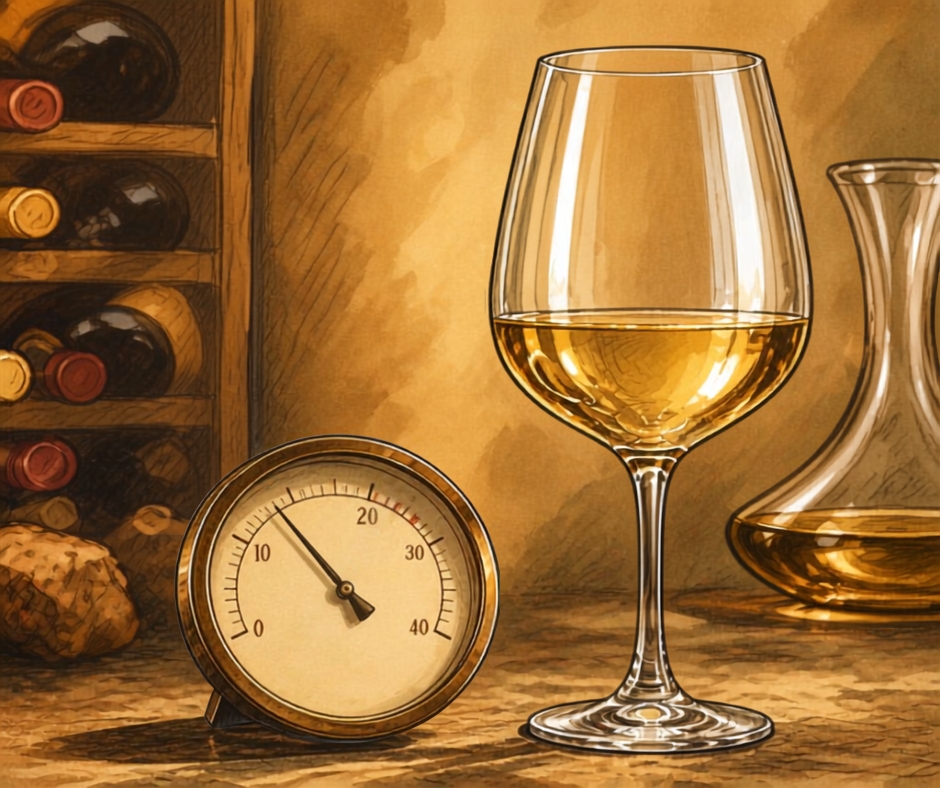
Temperature matters more than anything
If I could give you just one piece of advice, it would be this: keep the temperature stable.
- ideally between 10 and 15°C
- no sudden changes in temperature
- constant over time, rather than “cold”
Heat ages wine too quickly and alters it. Excessive cold, on the other hand, blocks it and slows its development. It’s not so much the exact number that matters, it’s the stability.
Light is the enemy you can’t see
Light, especially direct sunlight, slowly damages wine without you noticing until you open the bottle.
- keep bottles in the dark
- avoid windows and direct light
- choose a dimly lit spot
Dark glass helps, but it isn’t enough on its own: if the bottle sits in the sun all day, the problem remains.
How to position the bottle
If the bottle has a cork, its position makes a difference.
- lying down, not upright — so the cork stays moist
- avoid storing it upright for long periods
- keep it steady, with no vibrations
A cork that dries out lets air in, and air is what oxidises wine.
Humidity and air in the room
The right place has:
- good ventilation
- humidity between 60 and 70%
- no strong smells nearby
Cork breathes, and if there’s a smell of detergent or mould around, sooner or later you’ll taste it in the glass too.
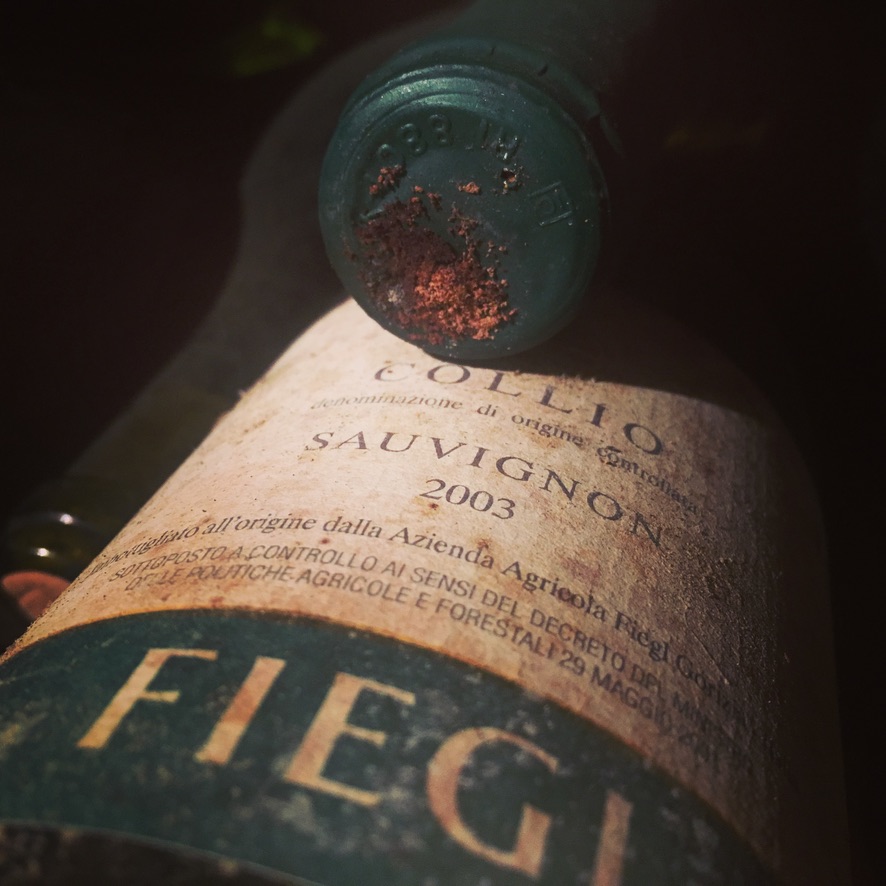
How long can you keep a bottle?
Not all wines are made to wait for years in the cellar, and that’s fine.
- I’d drink fresher wines within a few years, when they’re at their best
- more structured wines can age, and they improve with time
It depends a lot on the style and the vintage, as I explain in why the same wine changes from one vintage to the next.
No cellar? No problem
You don’t need a real cellar to store wine well. What you really need is stability.
- a cool corner of the house
- an inside cupboard, away from radiators or the cooker
- a wine fridge, if you want to be on the safe side
What matters is that conditions don’t change from one day to the next.
The mistakes I see most often
- keeping wine next to the cooker, in the kitchen
- leaving it in direct light
- constantly moving it from warm to cold
- forgetting it for years without ever checking on it
Avoid these four mistakes and most problems won’t even arise.
Good storage shows in the glass
A well-stored wine is much more enjoyable when you taste it. If you’d like to learn more about tasting, I’ve also written a guide on how to taste a Collio white wine.
Wines that express their land
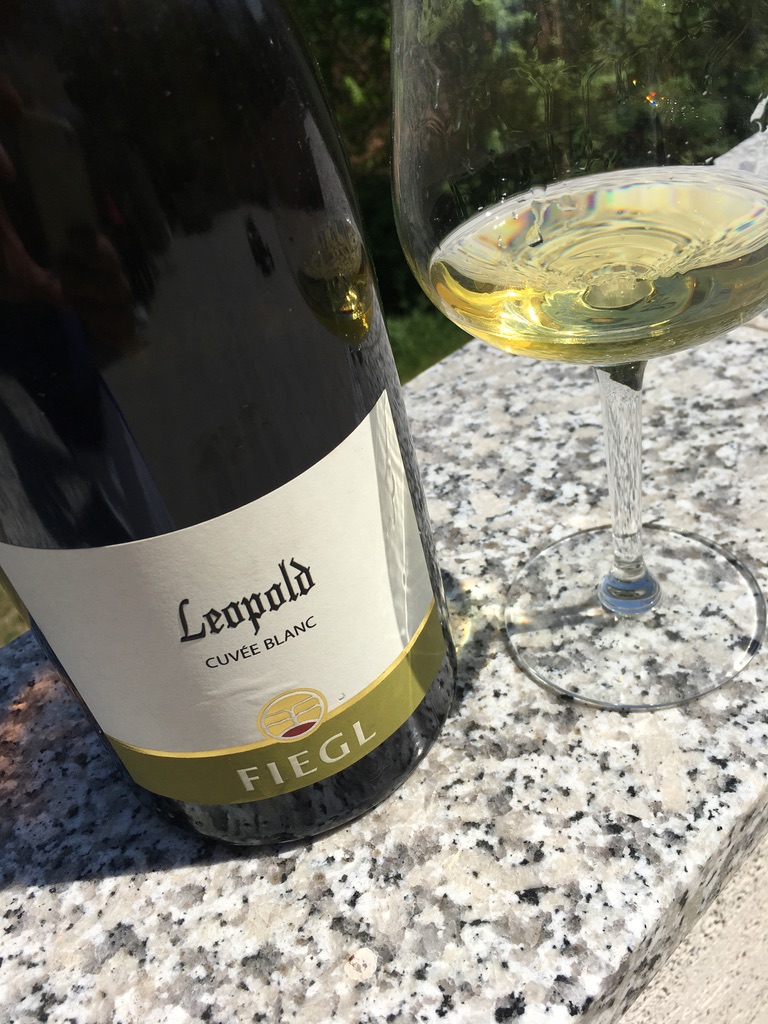
Wines with a strong sense of place, like ours, change over time in interesting ways if they are stored well. In Oslavia, the soil and climate give the wine structure and balance right from the start — I talk about it in what ponca is and why Oslavia wines are different.
You can find our wines in our full selection.
In conclusion
Storing wine well means protecting everything I put into making it: quality, balance, identity. Stable temperature, darkness, the bottle lying down — just a few rules, but they really make a difference when the time comes to open it.